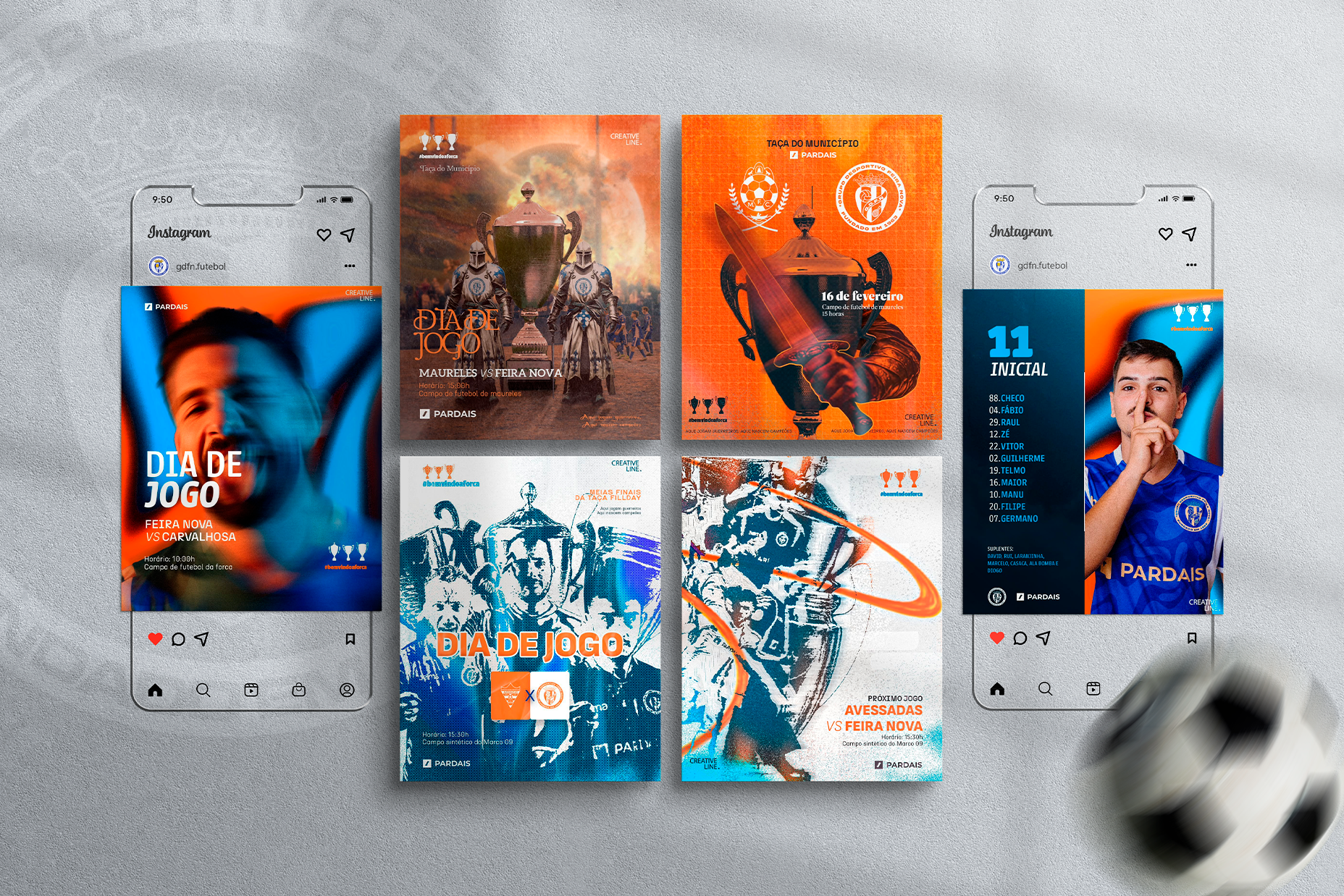
Introduction: Branding as a Catalyst for Global Business Growth
In a hyper-competitive global market, branding isn’t just about a pretty logo – it’s the backbone of business growth. Did you know that 81% of consumers need to trust a brand before they even consider buying from itshapo.io? First impressions matter. A strong brand creates an immediate sense of credibility and familiarity, giving potential customers a reason to choose you over countless competitors. From New York to London to Paris, buyers gravitate toward brands that feel trustworthy and authentic. In this article, we’ll explore how strong branding accelerates growth by impacting trust, conversions, customer loyalty, and competitive positioning on the international stage. You’ll discover how elements like visual identity design, tone of voice, digital presence, consistency, content strategy, and overall brand experience come together to build a brand that resonates across the US, UK, Europe and beyond. By the end, you’ll understand why investing in a professional branding agency can deliver far better results than a DIY approach. Let’s dive in.
Branding and Trust: Establishing Credibility with Customers
Trust is the currency of modern commerce, and branding is what mints it. When consumers encounter your business – whether through your website, a storefront, or social media – they form instant opinions based on your brand’s presentation. A cohesive and professional brand image signals authenticity and reliability. In fact, a unified brand image that remains consistent across all markets builds trust and reinforces recognitionmimeo.com. Customers are reassured when they see the same core identity and values every time they interact with your company, no matter the channel or country. This credibility translates directly into sales: studies show 90% of consumers buy from brands they trust, and 87% will even pay more for those trusted brandsshapo.io. In the UK, for example, 71% of consumers demonstrate trust in a brand by making more purchases from ithuddlecreative.com – tangible proof that earning trust boosts the bottom line. Conversely, a brand that appears inconsistent or unprofessional can sow doubt. If your messaging or visuals are all over the place, customers’ confidence waversmimeo.commimeo.com. Especially in global markets, where customers may not know your company yet, a strong, consistent brand is often the deciding factor that assures them you’re credible. The takeaway? Trust isn’t just a “nice-to-have” – it’s the gatekeeper to acquiring customers in the first placeshapo.io. A polished, trustworthy brand identity opens doors by making people comfortable enough to give your product or service a chance.
From Conversions to Loyalty: How Branding Drives Sales and Retention
Strong branding doesn’t stop at first impressions – it continually influences customer behavior throughout the buying journey and beyond. One major impact is on conversion rates. Branding sets the emotional backdrop for purchase decisions. In fact, brands can see up to a 96% increase in conversion rate by using emotional brand storytelling in their marketinghuddlecreative.com. When your brand story and values resonate with customers, purchase clicks follow. This is because people are more likely to buy when they feel an emotional connection or see a consistent, positive message from a brand. It can take 5–7 touchpoints for a consumer to remember a brand, so providing a cohesive experience across those touchpoints is keyhuddlecreative.com. Consistency builds familiarity, and familiarity reduces friction when it’s time to buy.
Beyond the initial sale, branding is what turns one-time buyers into loyal advocates. Customers who love what your brand stands for will stick around. Research shows that consumers with an emotional relationship to a brand have 3 times higher lifetime value than those without that bondhuddlecreative.com. In other words, branding fuels loyalty. For example, if your brand consistently delivers on a promise – be it superior quality, innovation, or community values – customers learn to trust that promise and come back again and again. 82% of people will keep buying from a brand they feel strongly connected to (versus only 38% if the connection is weak)huddlecreative.com. A clear brand voice and story give people something to rally around, creating fans rather than just customers. This pays off in retention, repeat sales, and word-of-mouth referrals.
Crucially, strong branding also reduces price sensitivity and churn. When buyers believe in your brand, they’re less likely to jump ship to a competitor or balk at slightly higher pricesonline.hbs.eduonline.hbs.edu. They associate your name with certain values and quality that they trust. For instance, a customer who identifies with your brand mission or loves your brand personality might choose you over a cheaper alternative because of that relationship. Over time, this loyalty becomes a powerful growth engine – it’s always cheaper to retain happy customers than to acquire new ones. In summary, by crafting a brand that genuinely connects with your audience, you’re not only boosting immediate conversions but also cultivating a base of loyal customers who drive long-term growth.
Branding in Action: How Brand Perception Drives Buying Decisions in the US, UK, and Europe
A strong brand influences buying decisions everywhere, but effective branding also reflects local expectations. Let’s look at a few hypothetical examples of how branding sways consumers in different markets:
- United States – Bold and Aspirational: Imagine a tech startup “NovaTech” launching in the U.S. NovaTech’s branding highlights innovation, ambition, and the promise of being the next big thing. American consumers, often drawn to brands that project confidence and individual success, respond to NovaTech’s bold messaging. The aspirational tagline and sleek design create excitement, driving strong early adoption. However, NovaTech also knows to back up its bold claims with proof – American buyers expect transparency and will quickly fact-check lofty promises. The result? A brand that feels cutting-edge yet credible, converting curious visitors into customers. (Notably, U.S. audiences embrace enthusiastic marketing, but this same approach needs tweaking elsewhere.)
- United Kingdom – Understated and Trustworthy: Now consider NovaTech’s expansion to the UK. British consumers are more skeptical of grand claims – a flashy “We’re the best!” slogan that worked in the U.S. might actually turn off UK buyers. So NovaTech adapts its tone of voice to be more modest and dryly humorous for Britain. The brand emphasizes quality and reliability with understated confidence (e.g. saying “a rather effective solution” instead of “revolutionary solution”). This aligns with British cultural preferences, where over-selling triggers skepticismmedium.commedium.com. By letting product results and customer testimonials speak for themselves, NovaTech builds trust with UK audiences. Shoppers feel the brand respects their intelligence – and in turn reward it with their business. The example shows how consistent core branding, adjusted for tone, can win over a market. The same logo and values cross the Atlantic, but the messaging style shifts from bold to humble, keeping credibility intact.
- Continental Europe – Authentic and Quality-Focused: In Europe, suppose NovaTech enters markets like Germany and France. Here, consumers tend to value heritage, durability, and community. NovaTech emphasizes its commitment to quality engineering and perhaps localizes its story – for instance, highlighting any European partnerships or using locally resonant imagery. European customers respond to signs of authenticity and responsibility. A brand narrative about long-term vision and sustainability might resonate more than “latest and greatest” hype. European brands often succeed by underscoring tradition and precision, and NovaTech does the same to fit expectationsmarshall-johnstonmm.commarshall-johnstonmm.com. At the same time, the company maintains a consistent visual identity and mission globally, so European buyers recognize it’s the same NovaTech trusted in the US. By blending a unified brand identity with local cultural cues, NovaTech gains credibility across markets. Consumers in Berlin or Paris see a brand that speaks to their values, reinforcing their willingness to buy.
These scenarios show that while the fundamentals of strong branding – trust, clarity, consistency – are universal, the execution can be tailored. A modern global brand differentiates itself by resonating with local audiences without losing its core identity. Whether it’s an American consumer excited by your bold vision, a British customer won over by your brand’s humble confidence, or a European client impressed by your authenticity, the right branding approach can tip the scales in your favor during purchase decisions around the world.
Brand Differentiation in Crowded Global Markets
In today’s crowded global marketplace, having a strong product isn’t enough – you need a strong brand to stand out. Brand differentiation is all about carving out a unique identity and value proposition that sets you apart from competitors, especially when international consumers have endless options. A differentiated brand answers the critical customer question: “Why choose you over the others?”
First, consider competitive positioning. If you operate in a saturated industry, a robust brand gives you an edge by making your business memorable. For example, imagine two companies selling eco-friendly home products worldwide. If one has a bland, forgettable brand and the other has a vibrant identity with a clear eco-conscious mission and a relatable voice, the latter will stick in consumers’ minds. Visual identity plays a huge role here – something as simple as a distinctive color scheme can boost brand recognition by up to 80%straitsresearch.com. The more recognizable you are, the easier it is for customers to recall and prefer you when faced with choices.
Differentiation also comes from conveying your values and story consistently. In global markets, brands that highlight what makes them unique culturally or philosophically can capture niches. Maybe your brand stands for innovative technology, or perhaps for artisanal craftsmanship, or lightning-fast customer service. Whatever it is, amplify that difference in your branding. If you’re expanding internationally, emphasize how your brand values align with local values while still being distinct. For instance, a family-owned brand from Italy might stress its generations of tradition and quality when entering the US market – turning its heritage into a differentiator that commands respect abroad. Meanwhile, a new American fintech app entering Europe might differentiate with cutting-edge design and user experience, but it will need to prove its reliability to compete against longer-established European banks. In each case, branding communicates these differentiators in a way that resonates with the target audience.
Crucially, strong branding prevents you from becoming a commodity. When customers perceive meaningful differences between brands, they develop preferences (often emotional). This can shield your business from price wars – loyal customers will often stick with a brand they identify with, rather than switch to a slightly cheaper competitor. As evidence of branding’s competitive impact, companies with highly consistent, well-managed brands are literally valued higher: firms with consistent brand messaging have been found to be worth up to 20% more than those with inconsistent brandingmimeo.com. That premium comes from customer goodwill, loyalty, and the overall market strength that a trusted brand commands. In summary, investing in brand differentiation is investing in long-term market positioning. It’s how you rise above the noise in a global market, secure in the knowledge that no one else can copy the unique space your brand owns.
Key Elements of a Strong Brand Identity
Building a powerful brand requires careful attention to several key elements. Modern branding is multi-faceted – it’s not just one thing, but a combination of components that work together to create a memorable experience. Here are the core elements and how they contribute to brand strength:
Visual Identity and Design
Your visual identity – logo, colors, typography, imagery – is the front line of your brand. It’s often the first thing global audiences notice. Great design makes you instantly recognizable and conveys your brand’s personality before a single word is read. Think of the golden arches of McDonald’s or the apple logo of Apple Inc. Even without context, these visuals communicate trust built over time. For your business, investing in professional logo design and a cohesive visual style will pay dividends. Colors are especially influential: for example, using a consistent color palette can increase brand recognition by up to 80%straitsresearch.com. If your brand’s color is a distinctive teal or a bold orange, using it consistently across your website, packaging, and ads helps embed you in customers’ memory. Also, consider cultural sensitivity in design – a color or symbol that appeals in the US might carry different meaning in Asia or the Middle East. Adapt visuals where needed for local markets, but keep the overall look aligned. A strong visual identity acts as an anchor for trust and familiarity, signaling to customers, “Yes, it’s us again – the brand you recognize.”
Tone of Voice and Messaging
Every strong brand has a unique voice. Is yours friendly and conversational, or expert and authoritative? Witty and playful, or formal and luxurious? Your tone should reflect your brand’s personality and values, and it should remain consistent across all content. This doesn’t mean using the exact same words everywhere, but the style and attitude should be recognizable. A consistent tone of voice builds an emotional connection with your audience. For example, a casual, upbeat tone can make a brand appear approachable and human, which might be great for a lifestyle product. On the other hand, a calm and confident tone can instill trust for a financial services brand. Importantly, adjust your messaging for different regions without losing your core voice. We saw how an overly boastful tone might undermine trust in the UKmedium.com – here the solution is to maintain your brand’s friendliness but dial down the superlatives, preserving authenticity. Clear, consistent messaging – in ads, on your website, in emails – helps customers understand what you stand for. Over time, they’ll recognize a quote or tagline and immediately think of your brand. That kind of mindshare is gold.
Digital Presence and Consistency
In the modern era, your digital presence is often your brand’s main stage. Websites, social media profiles, online ads, and even search results collectively shape how global customers perceive you. A strong brand makes sure its digital footprint is cohesive. That means your website design mirrors your visual identity, your social media posts follow the same tone of voice, and even your customer support chat has the same brand personality. Consistent branding across all channels isn’t optional – 90% of consumers expect a seamless, consistent experience whether they encounter you online, in-store, or in an appmimeo.com. If someone finds your Instagram page and your LinkedIn page, they shouldn’t feel like they’re looking at two different companies. Consistency online builds credibility. Imagine if a customer in Germany visits your site – if it looks professional and aligns with what they saw in an ad, they’ll feel more confident that you are legitimate. Additionally, pay attention to content localization on digital channels (like translating your site and adapting content for local cultures) as needed, while keeping branding intact. A robust digital presence also means being active where your audience is – whether that’s engaging on Twitter, sharing expertise on LinkedIn, or getting reviews on Google. And remember, social proof and engagement online feed into brand trust. A brand that responds to customer comments or has a cohesive content calendar appears mature and customer-focused, encouraging more interactions (and ultimately, conversions).
An infographic illustrating that 90% of consumers expect consistent branding across all channels, and how consistency builds trust and loyalty globally.mimeo.commimeo.com
Content Strategy and Storytelling
Content is the voice of your brand in action. A smart content strategy ensures that every blog post, video, newsletter, or ad not only provides value to your audience but also reinforces your brand identity. Storytelling is especially powerful – it humanizes your brand and makes it relatable. Sharing the story behind your company, your mission, and your customers creates an emotional pull. For instance, an international audience might love to hear the inspiration behind your product or the impact you’re making in communities. Such narratives build goodwill. Emotional brand storytelling can dramatically boost engagement and conversion; as noted earlier, nearly doubling conversion rates in some caseshuddlecreative.com. Ensure your content consistently highlights your differentiators and values. If innovation is your theme, your content should regularly showcase new ideas, insights, or behind-the-scenes looks at R&D. If your brand stands for thought leadership, perhaps your content includes whitepapers or data insights that no one else offers. Additionally, tailor content to different regions by spotlighting local testimonials or case studies – for example, a success story of a UK customer for a UK audience. This localized content feels more relevant while still echoing the universal brand story. Over time, a strategic content approach positions your brand as not just a vendor of products, but a trusted authority and partner in the eyes of customers.
Brand Experience and Consistency Across Touchpoints
Finally, think of brand experience as the sum-total of all interactions someone can have with your business. This ranges from browsing your store or website, to using your product, to talking to your sales or support team. A strong brand delivers a positive, consistent experience at every one of these touchpoints. Why is this so crucial? Because a brand is a promise, and every interaction either upholds or breaks that promise. For example, if your branding projects a friendly, customer-centric image, but a customer’s experience with your support team is cold and unhelpful, the inconsistency will damage trust. Customers crave consistency – they want the same quality of experience however they engage with you. That’s why companies with top-tier brands obsess over training staff in brand values, maintaining quality control, and aligning internal teams. The goal is for a customer to feel the same brand essence whether they’re reading your Twitter post, unboxing your product, or calling your helpdesk. Achieving this consistently can increase revenue significantly (by 10-20% according to one studyhuddlecreative.com) because it reinforces that reliable, credible feeling that customers bank on when choosing brands. Moreover, consider the global perspective: Do customers in Tokyo receive the same core brand experience as those in New York? While the context may differ, the professionalism and brand ethos should carry through. When every department and regional office sings from the same brand hymn sheet, your global audience perceives one united, dependable brand. That cohesion builds a strong bond of trust and loyalty that is hard for competitors to crack.
Why Professional Branding Agencies Deliver Better Results than DIY Solutions
With the stakes of branding so high, many businesses face a critical decision: invest in professional branding or attempt a do-it-yourself approach to save money. The truth is, strong branding is not a place to cut corners. Hiring a professional agency often delivers far superior results – and can actually save you time and money in the long run.
Expertise and Strategy: Professional branding agencies bring expertise that goes far beyond making a logo. They conduct research, develop a brand strategy, define your messaging, and ensure your brand will resonate with your target demographics (whether in the US, UK, Europe or elsewhere). This strategic foundation is something DIY branding often lacks. An agency knows how to craft a brand that not only looks good but is positioned correctly in a crowded market. They can pinpoint what will differentiate you and how to communicate it effectively.
Cohesive, High-Quality Output: Agencies employ experienced designers, copywriters, and marketing strategists – a team that covers all aspects of branding. The result is a cohesive brand identity where your visuals, voice, and customer experience all align perfectly. This consistency builds professional credibility from day one. By contrast, DIY efforts (especially if done by someone without design or marketing expertise) can lead to inconsistencies and amateur mistakes. For example, a homemade logo might not scale well or convey the right message, and writing your own copy without a clear tone guide can result in mixed messages. Inconsistent or unpolished branding weakens trust – customers can quickly tell when a brand “looks DIY” and it can push them awaytreebirdbranding.com. An agency ensures every touchpoint (website, packaging, social media, etc.) looks and feels on-brand and top-notchtreebirdbranding.com.
Time and Efficiency: Branding is a time-intensive process. If you’re trying to run a business, doing it all yourself is likely to divert critical time and energy away from operations. DIY often means trial and error – struggling with design software, revising things endlessly, and still ending up with subpar results. A professional agency streamlines this: they have proven processes to develop brands efficiently. As the saying goes, time is money – every hour you spend tinkering with a logo is an hour not spent acquiring customers or improving your product. Agencies deliver faster, letting you launch your brand sooner and more effectively. As one branding expert put it, “A slow or inconsistent brand launch can delay customer trust and sales.”treebirdbranding.com Hiring professionals helps you avoid those delays.
Long-Term Value: Perhaps the biggest argument for a professional agency is the long-term payoff. A weak brand can cost you far more in lost customers and necessary rebranding down the road. Many companies that start with a DIY brand find they have to completely rebrand a year or two later because the initial branding didn’t hold up – essentially paying twice for brandingtreebirdbranding.comtreebirdbranding.com. A strong brand from the start, developed by professionals, is scalable and built to last, saving you from that expensive do-over. Moreover, quality branding drives loyalty; it’s a long-term investment that yields customer trust and recognition for years. As one agency noted, DIY branding might save a little upfront, but it “costs you in time, credibility, and customer trust” in the long runtreebirdbranding.com. When you consider the lifetime value of loyal customers gained through strong branding, the ROI of hiring an agency becomes clear.
In short, while DIY branding or cheap solutions may seem tempting for a new business, they come with significant risks. Professional agencies deliver a level of polish, strategic thinking, and consistency that accelerates growth – exactly what you need when aiming to thrive in global markets. The difference shows in your audience’s response: polished brands inspire confidence, while patchwork brands often struggle to gain it. For any company serious about growth, investing in expert branding is truly investing in success.
Conclusion: Accelerate Your Growth with Strong Branding – and the Right Partner
Modern businesses can’t afford to treat branding as an afterthought. As we’ve seen, a strong brand builds trust, drives higher conversions, fuels customer loyalty, and sets you apart from the competition in crowded global markets. It’s the engine that powers sustainable growth. Every aspect – from your logo and website to your social media voice and customer service – contributes to how your brand is perceived by audiences in the US, the UK, Europe and around the world. By focusing on brand consistency and a clear identity, you create an asset that carries your business forward, opening doors to new markets and opportunities.
The most successful brands understand that this is a continuous effort. Branding isn’t a one-time project; it’s an ongoing strategy that evolves with your business and remains aligned with your customers’ values and expectations. It requires insight, creativity, and often a bit of cultural nuance to get it right internationally. That’s why having the right partner matters.
Ready to build a brand that truly accelerates your business growth? Work with Creative Line – our professional branding, web design, and digital marketing experts are here to help you craft a compelling brand identity and digital presence. We specialize in creating modern, clear, and consistent brands that resonate globally. Don’t leave your brand to chance. Contact Creative Line today to start a branding journey that will elevate your credibility, differentiate you in the marketplace, and drive lasting growth for your business. Let’s create a brand together that the world can trust and love.

Leave a Reply